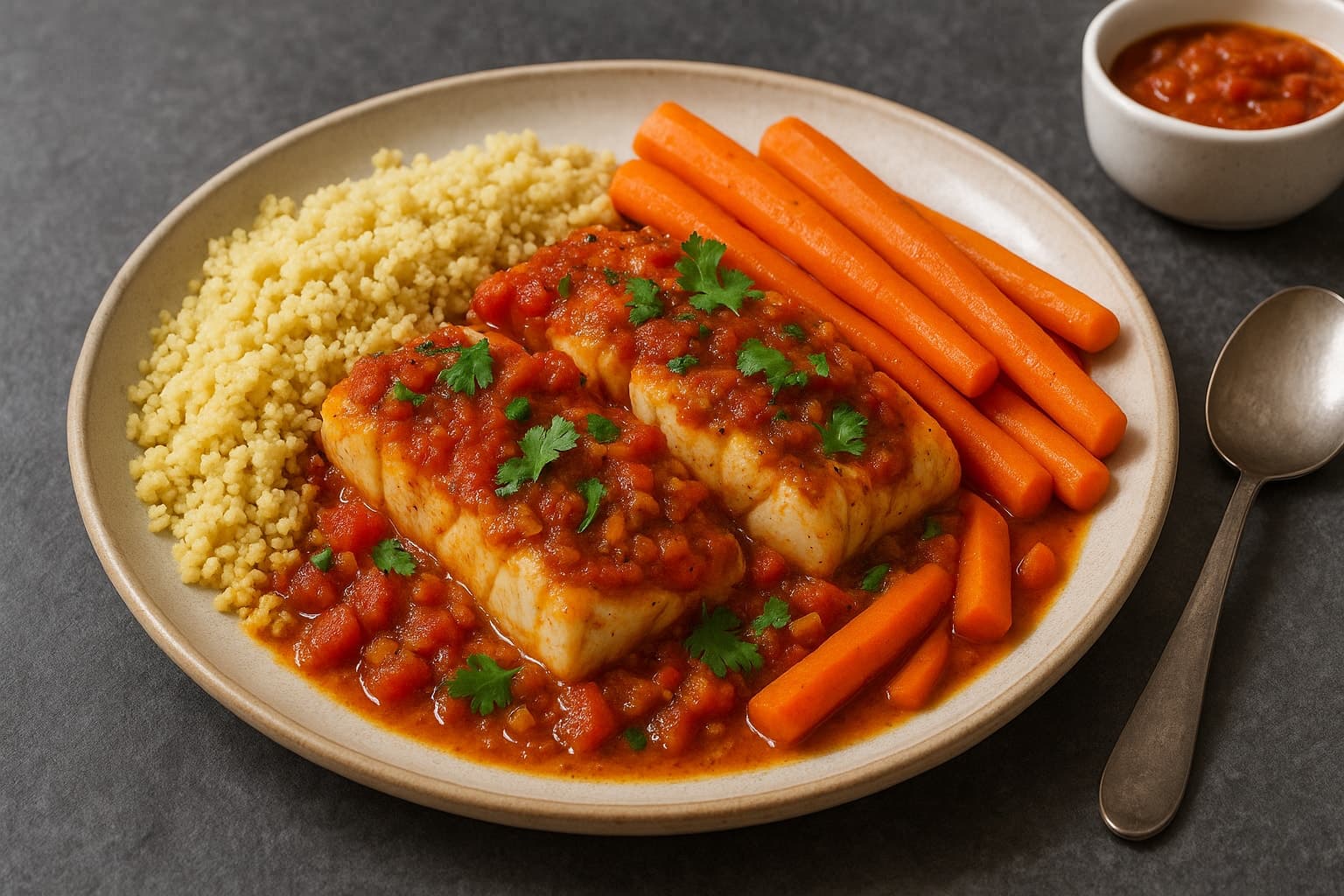
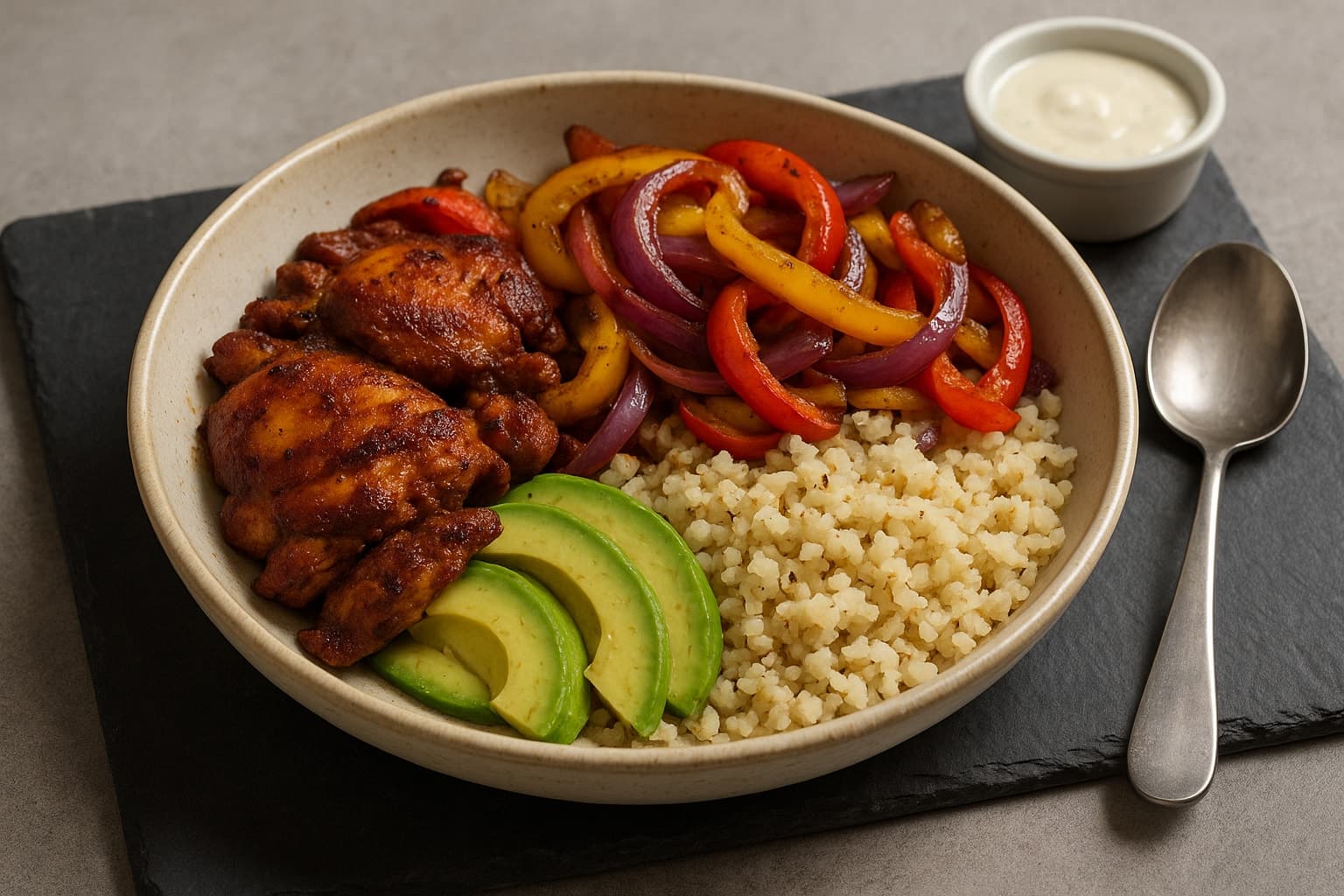
Pan-Seared Pork Chops with Green Beans
Nutrition Facts
307
Calories
26.2g
Protein
8.9g
Carbs
18.5g
Fat
Nutrition data sourced from USDA FoodData Central
Let's Cook
- Step 1
Unwrap the chops and pat both sides and the edges completely dry with paper towels. Combine the garlic powder, onion powder, and a generous pinch of salt in your palm, then sprinkle over both sides of all four chops, pressing so the seasoning clings instead of sliding loose. Put the trimmed green beans in a bowl next to the stove now — once the pan is hot you won't have a free hand.
Season in your palm rather than shaking from the jars — you'll see exactly how much you have and can spread it evenly across all four chops instead of dumping it on one.
- Step 2
Add the olive oil to a large skillet over medium-high and heat about two minutes. It's ready when the oil looks thin and runny and ripples across the surface as you tilt the pan. If you see wisps of smoke, pull the pan off the heat for thirty seconds.
- Step 35 min
Lay the chops in with space between them and stand back from the spatter. You want a loud, immediate sizzle — a quiet pan means it wasn't hot enough, so lift them out and wait another minute. Leave them alone for 4 to 5 minutes, then lift one edge with tongs: you're after deep golden brown with darker patches, not pale tan.
Resist moving the chops around. Each nudge breaks contact with the pan and restarts the browning, which is why fiddled-with chops come out grey.
- Step 45 min
Flip and cook 4 to 5 minutes more. Slide an instant-read thermometer into the thickest part without touching the pan — pork is safe at 145°F (63°C). It should feel firm with slight give. Move the chops to a plate and rest 3 minutes.
No thermometer? Press the center: raw feels like your relaxed palm, done feels like the firm heel of your thumb. A thermometer is far more reliable on lean pork.
- Step 57 min
Tip the green beans straight into the hot skillet with all the fat and browned bits, add a pinch of salt, and toss to coat. Cook 5 to 7 minutes, tossing every minute so different sides hit the metal. They're done when the green turns vivid, a few spots blister brown, and a bean snaps rather than bends. Divide among four plates, top each with a chop, and spoon the juices from the resting plate over the meat.
If the beans darken fast but still taste raw, drop the heat to medium and cover the pan for a minute. Trapped steam softens them without burning the outsides.
Three dinners, every Sunday
One short email a week with three recipes worth cooking. No meal plans to keep up with.